The problem with big releases
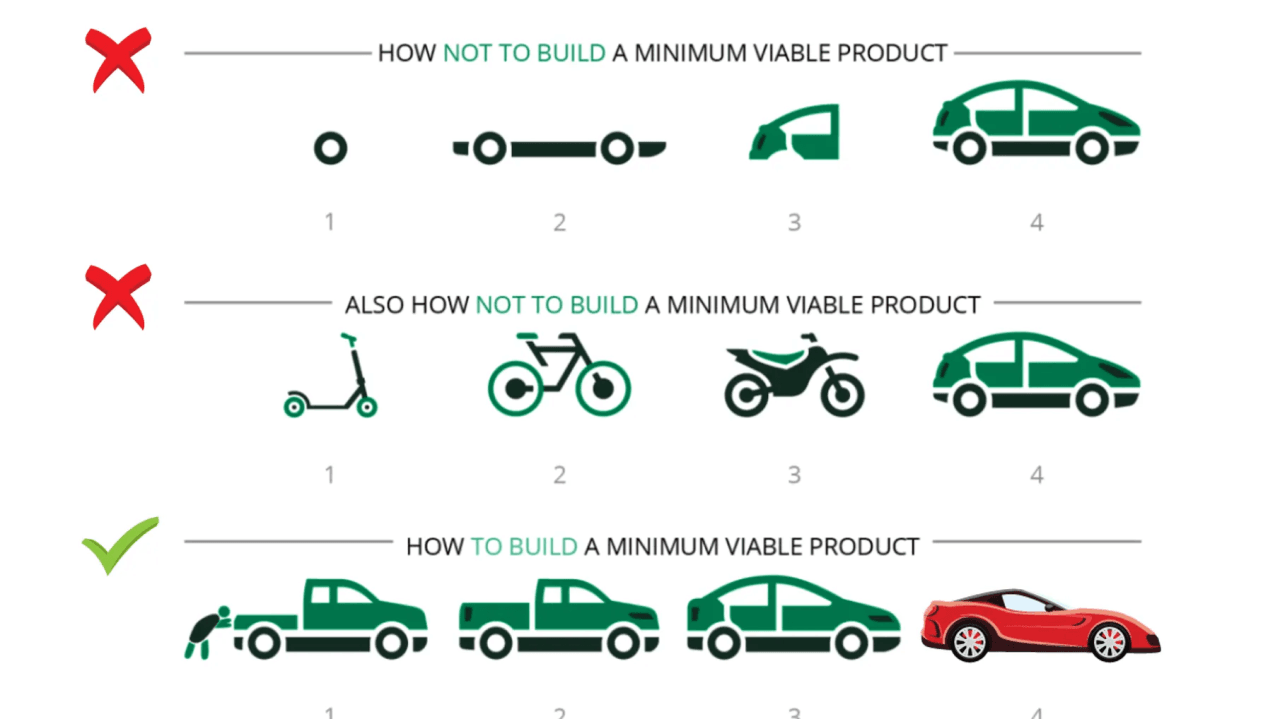
For years, our default was to bundle features into big releases. Design, build, QA, deploy — one giant batch. It felt productive, but it was a trap. Big releases mean big risks, long feedback loops, and painful rollbacks when something breaks.
Enter feature flags
Feature flags let you deploy code without exposing it to users. The code is live in production, but hidden behind a toggle. This simple concept changed everything about how we work.
Decoupling deploy from release
The biggest shift was mental. Deploying code no longer meant releasing a feature. Engineers could merge to main daily without worrying about half-finished work reaching users. Product managers could decide when to flip the switch based on readiness, not deployment schedules.
Progressive rollouts
Instead of all-or-nothing launches, we started rolling features out to 5% of users, then 20%, then 50%. This gave us real usage data before full exposure. We caught performance issues, UX confusion, and edge cases that testing environments never revealed.
Kill switches for peace of mind
When a feature causes problems in production, the fastest fix is turning it off. Feature flags gave us instant rollback without deployments, hotfixes, or late-night debugging sessions.
How we implement them
We use a simple approach: a configuration service that maps flag names to boolean values per environment. Nothing fancy — no third-party SaaS, no complex targeting rules. For most teams at our stage, simplicity wins.
The product impact
Feature flags shifted our culture from "ship when it's perfect" to "ship when it's safe to learn." Product managers run more experiments, designers get real-world feedback faster, and engineers deploy with confidence.
The result: we ship 3x more frequently with fewer incidents than before.